Finland's Economy Faces Slow Recovery Amid Structural Fiscal Challenges
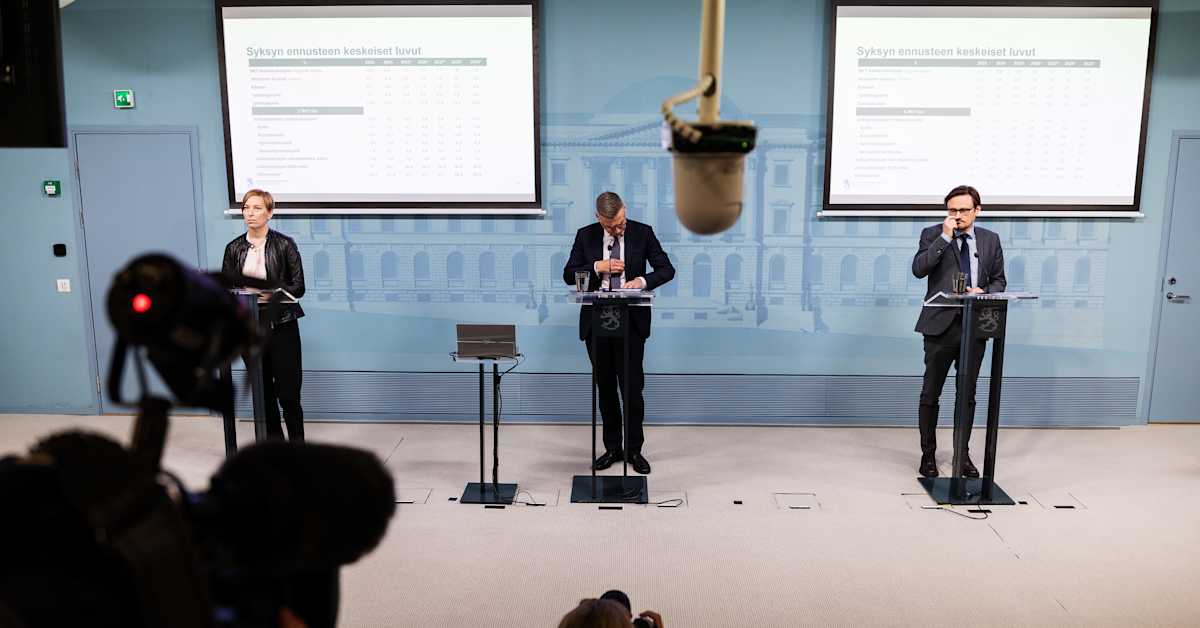
The Finnish economy is slowly emerging from a prolonged recession, with the Ministry of Finance projecting modest growth ahead. According to the ministry's autumn forecast, Finland's gross domestic product is expected to grow around 1.0 percent this year, 1.4 percent in 2026, and 1.7 percent in 2027. Despite falling inflation and lower interest rates improving household purchasing power, the recovery has been hampered by weak consumer confidence and economic uncertainty.
Unemployment remains a significant challenge, standing at about 9.4 percent of the labor force—among the highest rates in the European Union. The ministry expects the unemployment rate to decline to 9.0 percent in 2026 as economic activity strengthens. Growth in the labor force, driven by immigration and government employment measures, has so far translated mainly into higher unemployment rather than new jobs, reflecting the sluggish nature of the recovery.
Investment activity shows more promising signs after two years of decline. Defense procurement, including fighter aircraft purchases, is pushing defense spending to record levels, while renewable energy initiatives and new technologies are creating longer-term investment growth. However, the construction sector remains weak, with housing starts well below the level needed to meet long-term demand, and only gradual recovery is expected.
Public finances remain in "deep structural imbalance," with the ministry projecting a general government deficit of 4.3 percent of GDP this year, narrowing to 3.6 percent in 2026. The sustainability gap is estimated at about 2 percent of GDP, or roughly 7 billion euros, by the end of the decade. International factors, including higher U.S. tariffs and euro appreciation, continue to weigh on Finnish exports, though some positive signs from the euro area recovery provide cautious optimism.