H&M Posts Stronger-Than-Expected Profit Growth as Strategy Shift Bears Fruit
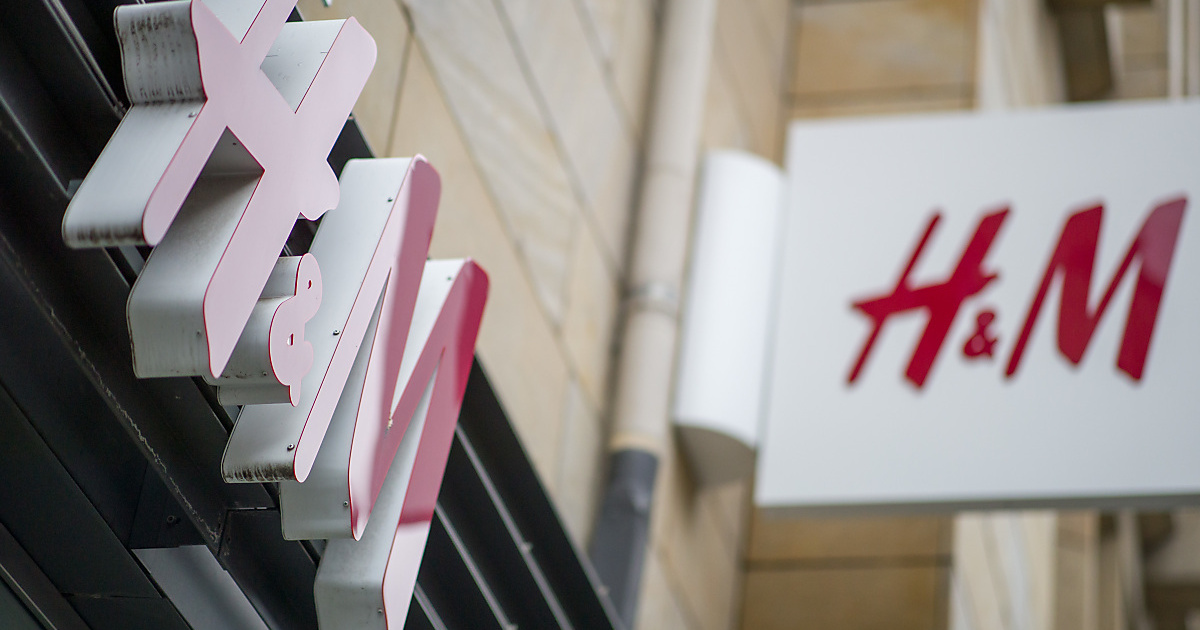
Swedish fashion retailer H&M has reported stronger-than-expected profit growth for the third quarter, with operating earnings surging 40% to 4.9 billion Swedish kronor (€440 million). The company's net profit reached 3.2 billion kronor, up from 2.3 billion kronor in the same period last year, indicating that its strategic shift toward focusing on its core brand is beginning to yield results. The positive earnings surprise sent H&M's shares climbing 12% at market opening.
The profit improvement came despite a slight decline in revenue, which fell from 59 billion to 57 billion kronor. The company attributed the revenue contraction primarily to negative currency effects, with exchange rate movements accounting for approximately five percentage points of the decline. Additionally, H&M reduced its store count by 4% during the period. On a currency-adjusted basis, the retailer actually achieved a modest 2% sales increase, which management suggested was supported by enhanced marketing efforts.
Inventory management showed significant improvement, with available merchandise declining by 9%, pointing to more efficient supply chain operations. The company also reported that its autumn collection has been well-received by customers so far. For September, H&M anticipates currency-adjusted sales to be in line with the previous year's level, though it noted this comparison is against a particularly strong September 2022 when cold weather drove an 11% sales increase.
The positive results from H&M follow recent encouraging signals from the broader fashion retail sector. Earlier this month, Inditex, the Spanish parent company of rival Zara, reported a stronger-than-expected start to the autumn season. The Spanish retailer has consistently outperformed H&M in growth metrics in recent years, benefiting from its lean supply chain and faster fashion cycle. H&M's latest performance suggests the Swedish company may be closing the competitive gap through its renewed focus on brand strength and operational efficiency.