India-EU FTA Negotiations Highlight Need for Addressing Non-Tariff Barriers
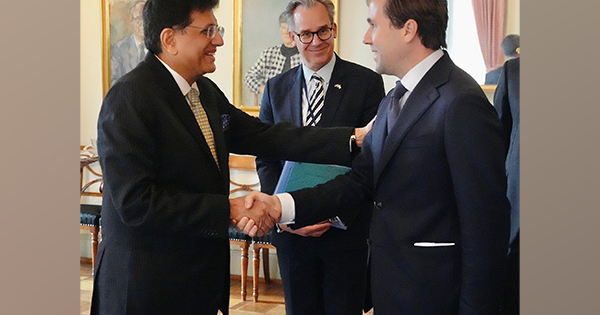
The ongoing negotiations for a Free Trade Agreement (FTA) between India and the European Union (EU) have brought to the forefront the importance of addressing both tariff and non-tariff barriers to trade. Swedish Minister for International Development Cooperation and Foreign Trade, Benjamin Dousa, emphasized the mutual benefits of such an agreement, pointing out that both regions are 'just a bit over-regulated.' The FTA, expected to conclude by 2025, aims to enhance cross-border trade by simplifying regulatory frameworks, thereby fostering a more conducive environment for businesses on both sides.
In a related development, IKEA's decision to increase its sourcing from India from 30% to 50% for its global operations highlights the growing confidence of Swedish companies in the Indian market. This move not only reflects the potential of India as a trusted manufacturing hub but also underscores the significance of the Indian market for Swedish businesses. The announcement was made during a joint session of industry leaders from India and Sweden, where the focus was on leveraging the complementary strengths of both economies to achieve resilience in an unstable global trade environment.
The visit of India's trade minister to Sweden further solidifies the bilateral relations between the two countries, with discussions centered around the EU-India FTA and cooperation in various sectors such as innovation, research, and energy. The Swedish government has identified the conclusion of the FTA as a top priority, recognizing the immense potential of creating the world's largest free trade zone. This partnership is expected to provide Swedish companies with better access to the rapidly growing Indian economy, which is projected to become the world's third-largest in the coming years.
The strengthening of economic ties between Sweden and India is evident from the increasing trade volumes, with Swedish exports to India growing by 17% last year. The presence of over 280 Swedish companies in India and the significant investments made by major Swedish firms like ABB, IKEA, and Ericsson in the Indian market are testament to the robust and evolving partnership between the two nations. As both countries continue to explore new avenues for collaboration, the focus remains on creating a sustainable and mutually beneficial economic relationship that can withstand the challenges of the global trade landscape.