A significant industrial fire broke out in a workshop building in Trollhättan's Håjum industrial area, prompting emergency services to respond around 11:00 AM. The blaze quickly escalated into a fully developed fire that spread throughout the entire facility and eventually reached the attic space. Rescue officials confirmed that the building could not be saved, with the structure collapsing during the firefighting efforts.
Emergency authorities issued a VMA (Important Message to the Public) warning residents in Trollhättan municipality about the heavy smoke development from the industrial property. The rescue commander urged all individuals in the area to go indoors and close doors, windows, and ventilation systems. The smoke drifted over a nearby residential area, with officials warning that the smoke was unhealthy and should be avoided under all circumstances.
By 2:30 PM, rescue services confirmed the building was lost as it was collapsing. The focus shifted to containing the fire and protecting adjacent buildings through water application. Ulrik Olsson, the duty officer at Fyrbodal rescue service, stated that their priority became limiting the fire's spread and conducting cooling operations on neighboring structures as the primary building continued to collapse.
Police have opened an investigation into suspected arson, though no suspects have been identified. According to police spokesperson Adam Isaksson Samara, initiating this type of criminal classification is not unusual for industrial property fires. The VMA warning was lifted around 4:00 PM, with rescue services transitioning to monitoring and final extinguishment operations through the night. The cause of the fire remains undetermined.

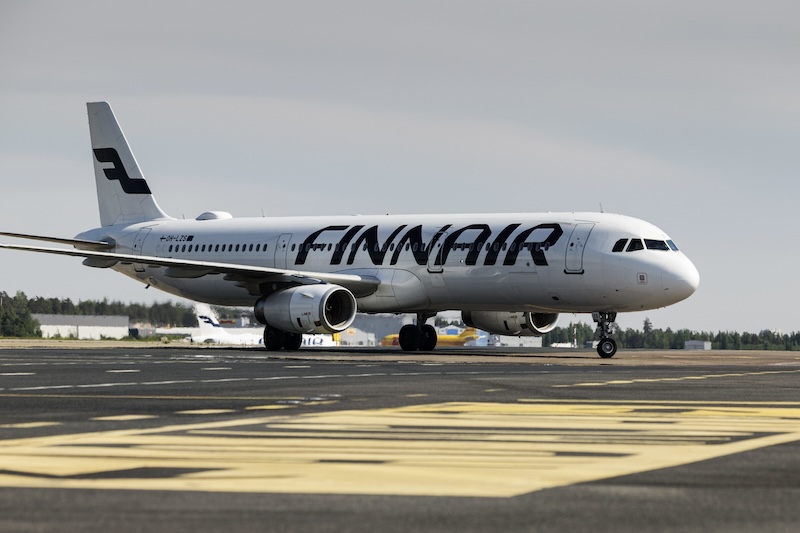
Finnair is gradually restoring its Airbus A321 fleet to service after an uncertified cleaning procedure forced the grounding of eight aircraft. The airline confirmed that seat covers were washed with water, a method not properly certified to ensure fire protection standards were maintained. This safety concern prompted the removal of the affected aircraft from service, leading to operational disruptions across Finnair's European network.
The situation began improving over the weekend as Finnair started installing new seat covers on the grounded aircraft. The first A321 returned to service on Sunday, operating a flight from Helsinki to Rhodes. However, seven aircraft remain out of service with no confirmed timeline for their full return. The A321s typically seat approximately 200 passengers and are crucial for Finnair's European route operations.
The grounding has resulted in significant passenger disruptions, with Finnair implementing extensive rebooking procedures. On Sunday alone, approximately 460 passengers were moved to different flights due to aircraft downgrades. The airline has prioritized high-frequency routes such as Helsinki-Stockholm and Helsinki-London, ensuring alternative options are available. In some cases, Finnair has used smaller replacement aircraft and offered incentives for volunteers to switch flights.
To manage the capacity shortfall, Finnair has wet-leased two aircraft with crews from Danish carrier DAT since Wednesday. While flight cancellations have decreased to single digits in recent days, with some days passing without any cancellations, the airline acknowledges that irregularities may continue through the coming week. Finnair is providing accommodation and compensation to affected passengers in accordance with EU air passenger rights regulations as it works to fully resolve the operational challenges.