New Research Maps Cilia Proteins, Revealing Potential for Disease Insights
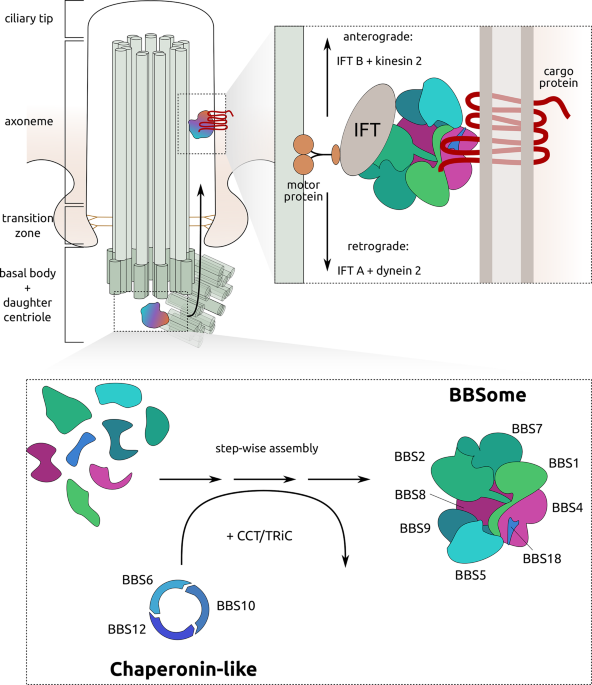
Attached to nearly every human cell is an antenna-like structure known as the primary cilium, which senses the cell's environment and controls how it responds to signals from its surroundings. New research from the U.S. and Sweden has mapped and identified hundreds of proteins that comprise these structures, contributing new insights for future research into ciliary biology, disease mechanisms and potential therapies.
Publishing in the journal Cell, researchers from KTH Royal Institute of Technology and Stanford University used advanced imaging and antibody-based techniques to map proteins inside primary cilia across three types of human cells. They analyzed more than 128,000 individual cilia and identified 715 proteins that are located in different parts of the cilium responsible for sensing mechanical or chemical signals, such as hormones. These primary cilia are distinct from motile cilia, which are responsible for movement of fluids or cells.
Professor Emma Lundberg, a researcher in cellular and clinical proteomics at KTH Royal Institute of Technology, says the study also identified a possible gene behind various disorders linked to malfunctions of the cilium. These can lead to disorders affecting many parts of the body, from the brain and eyes to the kidneys and bones. In addition, the researchers discovered 91 proteins that had never before been linked to cilia.
The study expands the current understanding of cilia, casting them as highly adaptable and versatile processors of information, which tune their protein composition to suit the needs of the cell they belong to. "Cells seem to customize the protein composition of their cilia to have them perform specific sensing tasks," Lundberg says. "These newly-discovered ciliary proteins inspire many new hypotheses about their roles in cellular function and human health."