Scientists Identify Key Protein Receptor for Tick-Borne Encephalitis Virus
An international team of researchers has identified the specific protein that tick-borne encephalitis virus (TBEV) uses to infect human cells, marking a significant breakthrough in understanding how the virus causes neurological disease. The study, co-led by scientists from Albert Einstein College of Medicine, Karolinska Institutet, and the United States Army Medical Research Institute of Infectious Diseases (USAMRIID), was published on September 24, 2025 in the journal Nature. This discovery represents the first time researchers have conclusively identified an essential host-cell protein receptor for any flavivirus.
TBEV belongs to the flavivirus genus, which includes other serious mosquito- and tick-borne pathogens such as dengue virus, yellow fever virus, Zika virus, and Japanese encephalitis virus. Until now, scientists had been unable to identify the critical protein receptors that these viruses use to enter human cells. "By conclusively demonstrating that TBEV requires a critical protein receptor to infect human cells, we open the field to discovering receptors for other flaviviruses and devising therapies for the devastating infections they cause," said study co-leader Kartik Chandran, Ph.D., professor of microbiology & immunology at Einstein.
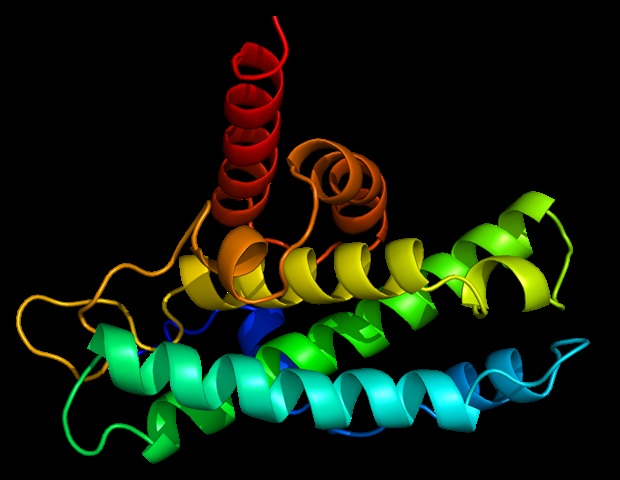
The research team identified LRP8 as the crucial protein that acts as a receptor for TBEV infection. Using a sophisticated screening method, researchers exposed thousands of cell variants with different genes removed to TBEV and found that cells lacking the LRP8 gene survived exposure. "LRP8 is a protein on the cell surface that is highly expressed in brain cells," explained Sara Gredmark Russ, Associate Professor of Infectious Diseases at Karolinska Institutet, who led the study at KI. The protein essentially functions as a "door opener" for the virus to enter human cells.
This discovery has significant implications for developing new treatments for tick-borne encephalitis, a disease that currently has no specific antiviral therapies available despite the existence of a preventive vaccine. TBEV is transmitted through tick bites and can infect the brain and spinal cord, causing severe and sometimes life-threatening neurological disease. With the virus endemic throughout Northern, Central and Eastern Europe, and Central and East Asia, and cases expected to increase due to climate change and expanding tick habitats, this breakthrough provides a crucial foundation for future antiviral drug development.